
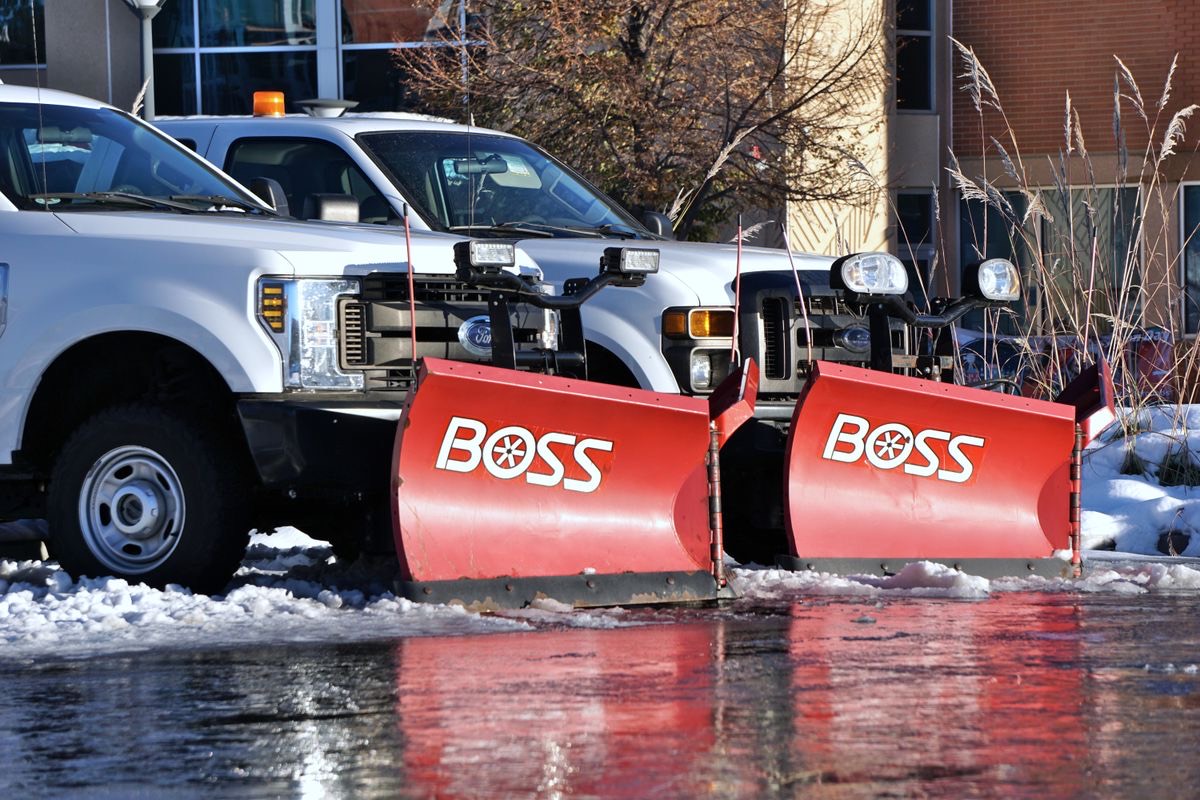
If you want to know how to get snow removal contracts, start with the calendar, not the plow. Most contractors start calling around after the first storm. By then, the property managers already signed, the HOAs already voted, and the good routes belong to someone else.
Here's the line that hurts: if your crew makes good money from April to October and then sits home for four months, you're paying for trucks, trailers and insurance twelve months a year with revenue from seven. Snow removal is how a lot of landscapers and contractors close that gap. But only the ones who sell it before the snow shows up.
This guide covers the contract types, where the work actually is, how to bid it, what to price, and how to market it so the route is full before Thanksgiving.
The three kinds of snow plowing contracts (and who each one fits)
Not all snow work is the same business. Pick the type that matches your equipment, your crew and how much weather risk you can carry.
Residential seasonal contracts
The homeowner pays a flat price for the whole season, usually split into a few payments. You plow every time the snow hits the agreed trigger depth. Good for you in a light winter, painful in a heavy one. Easy to sell to people who already know you, because the homeowner likes knowing the number up front.
Residential per push (per visit)
You charge each time you plow. No weather risk for you, but no guaranteed income either. In a dry winter, the truck sits. Per push works well as a starter offer or for homeowners who won't commit to a season.
Commercial snow removal contracts
Retail lots, office parks, medical buildings, apartment complexes, HOAs, churches, schools. Bigger money per site, bigger expectations, and a lot more paperwork. Commercial clients care about liability, documentation and whether you show up at 3 a.m. before the store opens. These are the contracts that can carry a winter, but they're also the ones that can sink you if you bid them wrong.
A lot of companies run a mix: a dense residential route close to the shop, plus a handful of commercial sites that anchor the season.
Where commercial snow removal contracts actually come from
Property managers and HOAs
Property management companies handle dozens of buildings, and many of them rebid snow every year or every few years. HOA boards usually decide at a fall meeting. Find out who manages the complexes in your service area, get the name of the person who handles vendors, and ask when they review snow bids. That one question tells you your deadline.
Retail and small commercial lots
Strip centers, restaurants, gas stations, dental and medical offices. Many of them are owner managed, which means one decision maker and a faster yes. Drive your route in the fall and write down every lot within a few minutes of the sites you already have. Tight routes are where the profit is.
Public bids
Cities, counties, school districts and state transportation departments also hire private plow contractors. Each one has its own process, and they open earlier than most people think. In Virginia, for example, the Department of Transportation explains on its snow contractors page that vendors must be registered with the state's eVA procurement system and carry vehicle insurance for each piece of equipment, and that solicitations start opening after July 4th, with dates varying by district.
That's the pattern to remember: public snow work is decided in summer. Check your own state DOT, county and city procurement pages in June or July, register as a vendor, and get on the notification lists. If you wait for the first flurry, you've missed the whole cycle.
How to bid snow removal contracts without losing money
Bidding snow is different from bidding a patio. You're pricing a job whose size depends on weather nobody can predict. If you already bid landscaping work, the logic of how to bid landscaping jobs still applies (know your real hourly cost, then add margin), but snow adds three layers.
- Measure the site. Square footage of lot, sidewalks, entrances, loading docks. Note where the snow can be piled and where it can't. Walk it in daylight, then picture it at night with cars parked in it.
- Time the route. Drive time between sites is where snow jobs quietly lose money. A site that's 25 minutes away from everything else costs you on every single push.
- Price the materials separately. Salt and ice melt usually get priced per application or per bag, apart from plowing. Commercial sites often need more salt runs than plow runs.
- Define the trigger. At what depth do you go out? One inch for a commercial lot, two inches for a driveway, whatever you agree on. Write it in the contract.
- Define the service window. Commercial clients want the lot open before business hours. Be honest about what your route can deliver when every site needs you at the same time.
- Add a buffer. Equipment breaks in the cold. Drivers get sick. Build a cushion into the price, not into your hope.
Snow removal pricing models: a hypothetical side by side
The numbers below are made up for illustration. They are not market rates. Your prices depend on your region, your costs and your competition. Use the structure, then plug in your own numbers.
| Model | Hypothetical example | Who carries the weather risk |
|---|---|---|
| Seasonal flat rate | Driveway at $600 for the season, paid in three parts | You (a heavy winter eats the margin) |
| Per push | Driveway at $55 per plow at the agreed trigger | The client |
| Per event with a cap | Lot at $250 per event, capped at a set number of events per season | Shared |
| Hourly (commercial) | Truck and driver at an hourly rate, salt billed per application | The client |
Here's the hypothetical math that matters. Say that $600 seasonal driveway takes 20 minutes per push, including drive time. In a winter with 8 plowable events, you get paid $75 per push. In a winter with 20 events, you get paid $30 per push. Same contract, very different business. Look at a few years of snowfall history for your town before you pick a seasonal price, and put a cap or an overage clause in the contract if the risk is too much for you.
Insurance and liability: the part that keeps you in business
Slip and fall claims are the real risk in snow work, especially on commercial sites. Before you sign anything, talk to an insurance agent who actually writes policies for snow contractors. Ask directly:
- Does my general liability policy cover snow and ice management, or does it exclude it?
- Is every truck and plow covered under commercial auto?
- Do I need workers' compensation for the crew I'm adding this winter?
- What limits do property managers in my area usually require on a certificate of insurance?
The SBA's guide to launching and insuring a business is a good plain-English starting point for the types of coverage. For snow specific training, contracts and best practices, the industry's trade group is the Snow and Ice Management Association (SIMA).
Then protect yourself on paper. Log every visit: date, time, conditions, what you did, photos. When a claim comes months later, that log is often the difference between a short conversation and a long lawsuit. And have a lawyer look at the indemnification language in any commercial contract before you sign it. Some property managers hand you a contract that moves all the risk onto you.
Timing: sell snow in September, October and November
Snow is a fall sale. Here's a simple calendar that works for most northern markets:
- June to August: watch public bid portals, register as a vendor, find out when local HOAs and property managers review snow.
- September: offer snow to your existing lawn and landscape clients first. Build your commercial target list.
- October: site visits, commercial proposals, residential ads and mailers.
- November: fill the last gaps in the route, stage salt, test every plow.
After the first big storm, you'll still get calls. Those are mostly per push jobs from people whose guy didn't show up. Nice to have, but you can't plan a winter on them.
Snow removal marketing: start with the clients you already have
The cheapest snow contract you'll ever sign is from a homeowner who already pays you to mow their lawn. They know your crew, they trust you on their property, and they don't want to find a new company. If you're building that base, our guide on how to get lawn care customers is the other half of this plan.
Here's how the marketing usually lines up, in order of cost:
- Your existing clients. An email and a text in September with a simple offer: "Lock your spot on our snow route for the season." Add a note on the invoice and have the crew mention it on site.
- Neighbors of your current route. Door hangers and yard signs on the streets you already service. Every added driveway on the same street is almost pure profit.
- Your Google Business Profile. Add snow removal as a service, update your hours for the season, and post photos of your trucks with plows mounted. People search "snow removal near me" on the night before the storm, and the map pack answers first.
- Search ads in the fall. A small campaign on terms like "snow removal contract" and "snow plowing service" plus your town catches homeowners and managers shopping early. Our page on Google Ads for contractors covers how to keep that budget on the right searches.
- Direct outreach to commercial accounts. A one page proposal, photos of your equipment, your insurance limits, and a short list of sites you already service nearby. Then a follow up call.
Track every snow lead to the signed contract. At the end of the season you want to know which source filled the route, so next fall you spend more there and stop paying for what didn't sign.
Keep the snow client for the spring
A snow contract isn't just winter revenue. It's a foot in the door. The office park that trusts you with its lot in January is a good candidate for spring cleanup, mulch and a maintenance contract in March. The HOA that liked your plow crew might want a bid on common area landscaping. Ask. Put it in the end of season thank you note. The contractors who treat snow as the start of a year round relationship get more out of every truck they own.
If you want the whole year planned like that, with every lead source tracked to signed contracts on a live dashboard, that's what we do as a contractor marketing agency. Across our residential construction campaigns, the average return is about 7x per ad dollar, and results vary by trade, region, price and sales process. Otherwise, start this week with the easy win: send a snow offer to every lawn client you already have.
Frequently asked questions
How do I get my first snow removal contract?
Start with people who already trust you: your lawn and landscape clients and their neighbors. Offer a seasonal spot on your route in September or October, with a clear trigger depth and price. Once you have a tight residential route, add one or two small commercial lots close to it.
Is a seasonal contract or per push better for snow removal?
Seasonal contracts give you predictable income but you carry the risk of a heavy winter. Per push shifts that risk to the client, but you earn nothing in a dry winter. Many contractors use seasonal for residential routes and per event or hourly pricing for commercial sites, with caps or overage clauses to limit the risk.
When should I start bidding snow plowing contracts?
Earlier than you think. Public bids can open in summer: Virginia's DOT, for example, says its snow solicitations start opening after July 4th. Property managers and HOAs usually decide in early fall, and residential sales happen mostly from September to November.
What insurance do I need for snow removal?
Talk to an agent who writes policies for snow contractors, and confirm your general liability covers snow and ice work, since some policies exclude it. You'll typically also look at commercial auto for every truck and workers' compensation for employees. Commercial clients will ask for a certificate of insurance with specific limits.
How do I find commercial snow removal contracts?
Make a list of lots near your existing route: retail centers, medical offices, apartment complexes and HOAs. Find the property manager or owner, ask when they review snow bids, and send a short proposal with your equipment, insurance and nearby sites. Also register on your state, county and city procurement portals for public bids.
Is snow removal worth it for a landscaping company?
It can be, because it keeps your crew and trucks earning in months that would otherwise bring nothing. The risk is in bad pricing, spread out routes and liability. Contractors who bid carefully, keep routes tight and document every visit usually do best.