
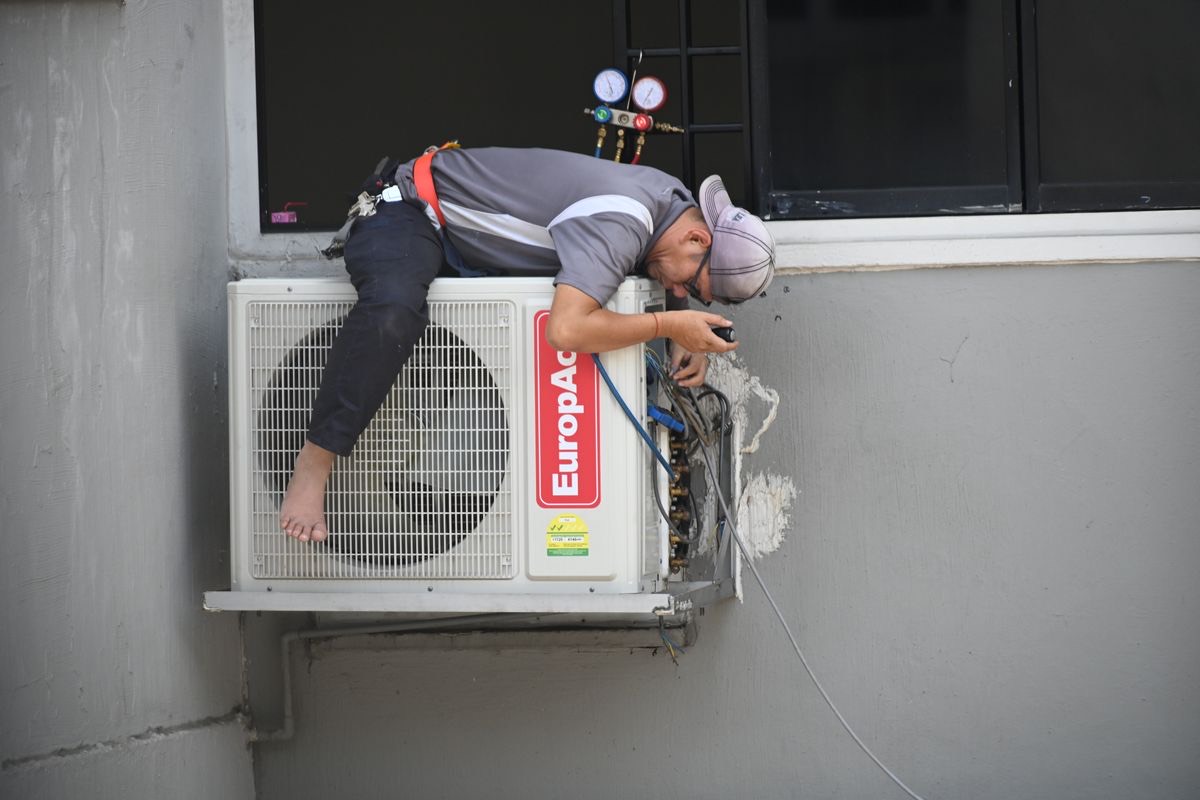
If you want to know how to grow an HVAC business, start with a hard question: if every truck is booked in July and the phone goes quiet in October, did the company grow, or did the weather?
Most HVAC owners are great techs who became owners by accident. You can braze a line set with your eyes closed. What nobody taught you is how to price for margin, how to fill the shoulder months, or how to tell which marketing dollar brought the replacement and which one brought a tire kicker. That's what this guide covers, in the order it usually matters.
1. Know your numbers before you spend another dollar
HVAC business growth starts with a spreadsheet, not an ad. You can't grow what you can't see, and most owners only see two numbers: what's in the bank account and what's on the schedule.
Here are the numbers worth tracking every month:
- Revenue by job type. Repair, maintenance, replacement, new construction. They have very different margins and very different marketing costs.
- Gross margin per job type. Price minus parts, equipment and labor. If you don't know this, you don't know which work to chase.
- Average ticket. For repairs and for replacements, separately.
- Close rate on replacement proposals. How many quotes turn into signed installs.
- Cost to acquire a sold job. Marketing spend divided by sold jobs, not by leads.
- Agreement count and renewal rate. Your recurring base.
The last one on the money side is the one almost nobody has: which marketing channel brought which sold job. Without it, every marketing decision is a guess. We'll come back to that.
2. Price for margin, not to win the bid
The fastest way to stay small is to be the cheapest HVAC company in town. Cheap pricing means thin margins, thin margins mean no cash for trucks, techs or marketing, and you end up working more hours for the same money.
A few pricing moves that usually pay off:
- Flat-rate pricing for repairs. The homeowner knows the price before you start, and your techs stop getting punished for being fast. Build it from your real labor cost, parts cost, overhead and target margin, not from what the competitor down the street charges.
- Good, better, best on replacements. Give the homeowner options. Many will pick the middle one, and some will pick the top. One price is a yes or no. Three prices is a choice.
- Price your overhead in. Trucks, insurance, office, software, marketing and the owner's salary all come out of the ticket. If your price only covers parts and labor, you are paying to work.
- Offer financing on big tickets. A replacement nobody planned for is a lot easier to say yes to when it becomes a monthly payment.
Put your pricing on a clean, professional quote. A scribbled number on a work order loses to a clear proposal with options, warranty and financing. Our HVAC estimate template is a good place to start.
3. Maintenance agreements: recurring revenue for the slow months
If you only take one idea from this guide, take this one. Maintenance agreements are the closest thing HVAC has to a subscription business, and they fix three problems at once.
- They fill the shoulder season. Spring and fall tune-ups keep techs working when emergency calls slow down. ENERGY STAR recommends homeowners check cooling in spring and heating in fall, which is exactly when you need the work.
- They put you in the house before the breakdown. When the tech sees an aging system on a tune-up, the replacement conversation starts calmly, on your schedule, instead of in a panic on the hottest day of the year when the homeowner calls three companies.
- They make the company worth more. Recurring revenue is predictable, and predictable revenue is what lets you hire ahead and plan ahead.
How to sell more of them: offer the plan on every service call and every install, make the benefits concrete (priority scheduling, a discount on repairs, two visits a year), and let the tech earn something for every plan sold. Then push renewals to your own customer list by email and text before each season. That's some of the cheapest marketing you'll ever run.
4. Sell replacements like an advisor, not a closer
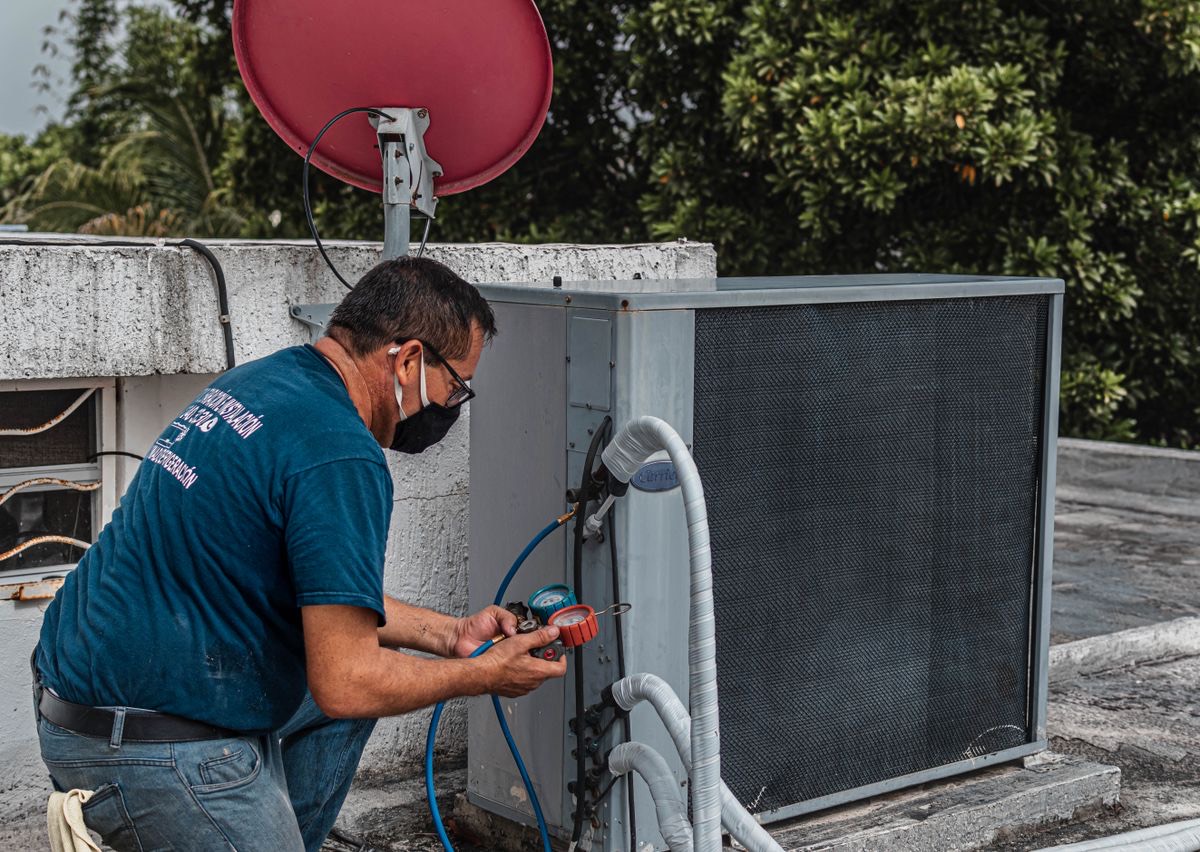
Repairs keep the lights on. Replacements build the company. One sold system can be worth more than a week of repair tickets, which is why the owners who grow fastest treat replacement sales as its own discipline.
- Train techs to spot it, not to push it. Age of the system, repair history, efficiency, comfort complaints. A tech who explains that honestly earns trust. A tech who pressures loses it.
- Separate the repair visit from the sales visit when it makes sense. Some companies send a comfort advisor for replacement quotes. Others train senior techs to do it. Either way, somebody owns the proposal.
- Follow up on every open quote. A proposal that never gets a second call is money left on the table.
- Track close rate by who sold it and where the lead came from. That tells you who needs coaching and which marketing is bringing real buyers.
5. Hire techs before you're drowning
Every HVAC owner hits the same wall: you can't grow past the number of qualified techs you have, and good techs are hard to find. The Bureau of Labor Statistics outlook for HVAC mechanics and installers is worth a read if you want to see how the trade's labor market looks where you are.
What usually works better than posting a job ad in June and praying:
- Hire in the shoulder season. You have time to train before the rush, instead of throwing a new hire into a heat wave.
- Grow your own. Bring on helpers and apprentices, pair them with senior techs, and pay for certifications. Anyone handling refrigerant needs EPA Section 608 certification, so build that into your onboarding.
- Pay for results you want. Spiffs on agreements sold, quality callbacks tracked, a clear path from helper to lead tech to comfort advisor.
- Write down how you do things. Checklists for tune-ups, installs and customer handoffs. The owner can't be on every job, and the process shouldn't live only in your head.
Hiring also changes how you should market. When you add a truck, your marketing has to fill it. When you're short on techs, you pull back on low-margin repair ads and keep only the campaigns that bring replacements and agreements.
6. How to get HVAC leads you can trace to revenue
Now the marketing. Here are the HVAC marketing ideas that usually book real jobs, roughly in the order we'd set them up:
- Google Business Profile and reviews. Free, local and often the first thing a homeowner sees. Keep it complete, add real job photos and ask every happy customer for a review.
- Local Services Ads. Top of Google, pay per lead, great for emergency and repair intent.
- Google Search ads, split by intent. Emergency repair, replacement and maintenance in separate campaigns with separate budgets. If they share a budget, the cheap emergency clicks win and replacements starve. Our Google Ads for contractors page explains how we set this up.
- A website that makes the phone ring. One page per service and per city, phone number obvious, financing and agreements explained.
- Email and SMS to your own customers. Seasonal tune-up reminders and agreement renewals. You already paid to acquire these people.
- Meta and video. Real installs, real crews, before and after. Good for retargeting and for the replacement shopper who is still deciding.
And what to be careful with: shared lead marketplaces. Paying for a homeowner that four other HVAC companies also got turns every job into a price war. They can fill a gap, but they are a bad foundation.
The part that matters most is measurement. Count booked calls, proposals and sold jobs by channel, not clicks. For reference, our averages across residential construction campaigns are about $166 per lead, $315 per booked estimate, $494 per proposal and $1,714 per signed contract, on an average ad spend of $4,300 a month. That works out to about 7x return per ad dollar. Results vary by trade, region, price and sales process, but if you can't produce numbers like these for your own company, that's the first gap to close.
To track all of this you need a CRM built for contractors that follows each lead from the first call to the invoice. If you'd rather have someone run the whole system for you, that's what our HVAC marketing agency does, with a live dashboard that shows spend, leads and sold revenue by campaign.
7. Plan the year around the seasons
HVAC is seasonal and pretending otherwise costs money. A simple way to plan:
| Season | What the phone looks like | Where to focus |
|---|---|---|
| Spring | Quieter, cooling tune-ups start | Sell agreements, hire and train, push AC tune-ups |
| Summer | Cooling emergencies peak | Emergency ads on, quote replacements from repair calls |
| Fall | Quieter, heating tune-ups start | Agreement renewals, heating tune-ups, replacement financing offers |
| Winter | Heating emergencies peak | Emergency ads on, furnace and heat pump replacements |
Adjust for your climate. A cooling-heavy market in the South and a heating-heavy market in the North have very different calendars. The point is to plan the budget and the hiring before the season hits, not during it.
8. What growth actually looks like
Growing an HVAC business is not one big move. It's a handful of boring ones done every month: pricing that protects margin, an agreement base that keeps growing, techs who can sell replacements honestly, and marketing you can measure in sold jobs instead of clicks.
The owners who grow tend to have one thing in common. They know which dollar brought which job. Once you know that, you stop guessing and start putting more money into what works.
If you want a second pair of eyes on your numbers, send us your recent ad spend and job data through the free audit form below. We'll show you which channels are paying for themselves and where the money is leaking.
Frequently asked questions
What is the fastest way to grow an HVAC business?
For most owners it's selling more maintenance agreements and closing more replacements from the customers you already have. Both raise revenue without paying for new leads. After that, scale the marketing channels you can measure in sold jobs.
How do I get more HVAC leads in the slow season?
Market to your own customer list first: tune-up reminders, agreement renewals and replacement financing offers by email and text. Then run ads for tune-ups and planned replacements instead of emergencies. Shoulder season is also the right time to improve your website and reviews.
Are maintenance agreements worth it for a small HVAC company?
Usually yes. They bring predictable revenue, fill the shoulder months and put your techs in front of aging systems before they fail. Even a small base of agreements makes scheduling and hiring easier to plan.
How much should I spend on HVAC marketing?
There is no single right number. Start with a budget you can track back to sold jobs, prove which channels return money, then increase spend there. Our averages across residential construction campaigns sit around $4,300 a month in ad spend, but results vary by trade, region, price and sales process.
When should I hire my next HVAC technician?
Before you need them. Hiring in spring or fall gives you time to train before the peak season. If you are turning down work or your techs are regularly working overtime in peak months, you are probably already late.
Should I buy leads from lead marketplaces?
They can fill a gap, but they are a weak foundation because the same homeowner is often sent to several companies. Exclusive leads from your own ads, website and reviews usually close at better prices. Whatever you use, track which source brings sold jobs.